Work with me.
You don't need someone to execute your random acts of marketing. You need someone who'll ask why before they ask how much time they have. I build GTM systems and teams that outlast me so the value compounds.

Go-to-market with the math attached.
Every marketing leader says they drive revenue.
I built a metric for it. Marketing Yield™ is the percentage of marketing-sourced companies with a qualified buying role that convert to closed-won. Lifetime, no time windows, no attribution theater.
It's the lens I bring to every engagement, which is why the recommendation comes with a number attached instead of a feeling.
But marketing isn't the only function running on faith. Go-to-market is one motion - marketing, sales, customer success - and the revenue leaks in the handoffs nobody owns. So the Yields frameworks span all three, and operators and leadership teams end up with the same picture of what actually fuels the business.
CHOOSE WHAT WORKS FOR YOUR ORG


Who This Works For
🥰 Good Fit
Early stage. Sub-100 people, Series Seed through B
B2B, complex product, regulated space
Fintech and insurtech especially — I hit the ground running
A founder or CEO who wants a thought partner
😖 Not a Fit
Most science tech like pharma, biotech
Consumer packaged goods
Anyone who loves a random act of marketing
Anyone who wants an order taker
If you want someone to execute a random act of marketing without asking why, I'm the wrong hire. I'd rather you find that out here than in week three.
Q+A
Have Questions?
Do I need to be local?
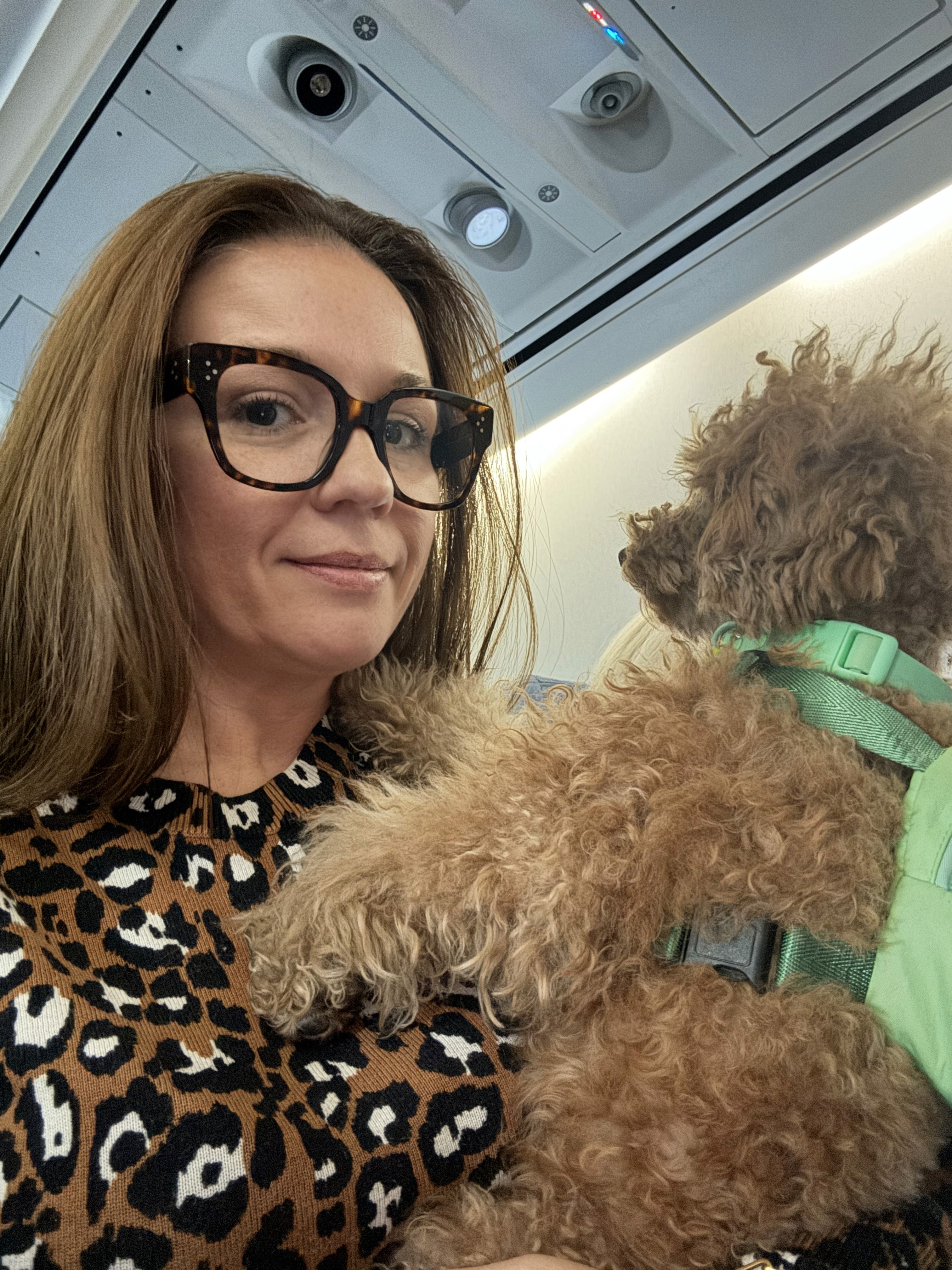
No. I'm Atlanta-based and I'll travel when it matters. I'm only a flight away from anywhere and Mini loves a trip to the airport. This works remote, and that suits most of my engagements with a drop-in trip once or twice where it makes sense for us both.
Do you work with a team?
No. You're hiring me, and I'm who shows up. That's the whole point of the model. No bloated retainers, no junior person doing the work while a senior name is on the invoice. It also means I take three or four engagements at a time. When I'm full, I'll tell you.
What if the scope changes mid-engagement?
It will. Every scope of work I write has a section for what's included and a section for what isn't, and that second section is usually just as long. When something new comes up, we swap. You tell me what comes off the list to make room. That's not me being rigid. It's me making sure you get the thing you actually hired me for instead of a diluted version of everything.
What happens at the end of three months?
One of a few things. Think of it like a dessert menu. The work is done and we're finished. That's a good outcome, not a failure. We extend short-term, say 30 days, to round out a project. We sign another three months. Or we don't, and you keep everything. I don't write year-long contracts. If I can't deliver value in three months, you should be asking why.
How does payment work?
Project engagements: half at signature, half at the midpoint. Work starts when the first payment lands. Fractional: invoiced by the first Friday of the month, due by the 7th. Your controller knows that date because it's in the contract. You're not chasing an invoice to find out when it's due. Advisory: paid up front, booked at your pace.